
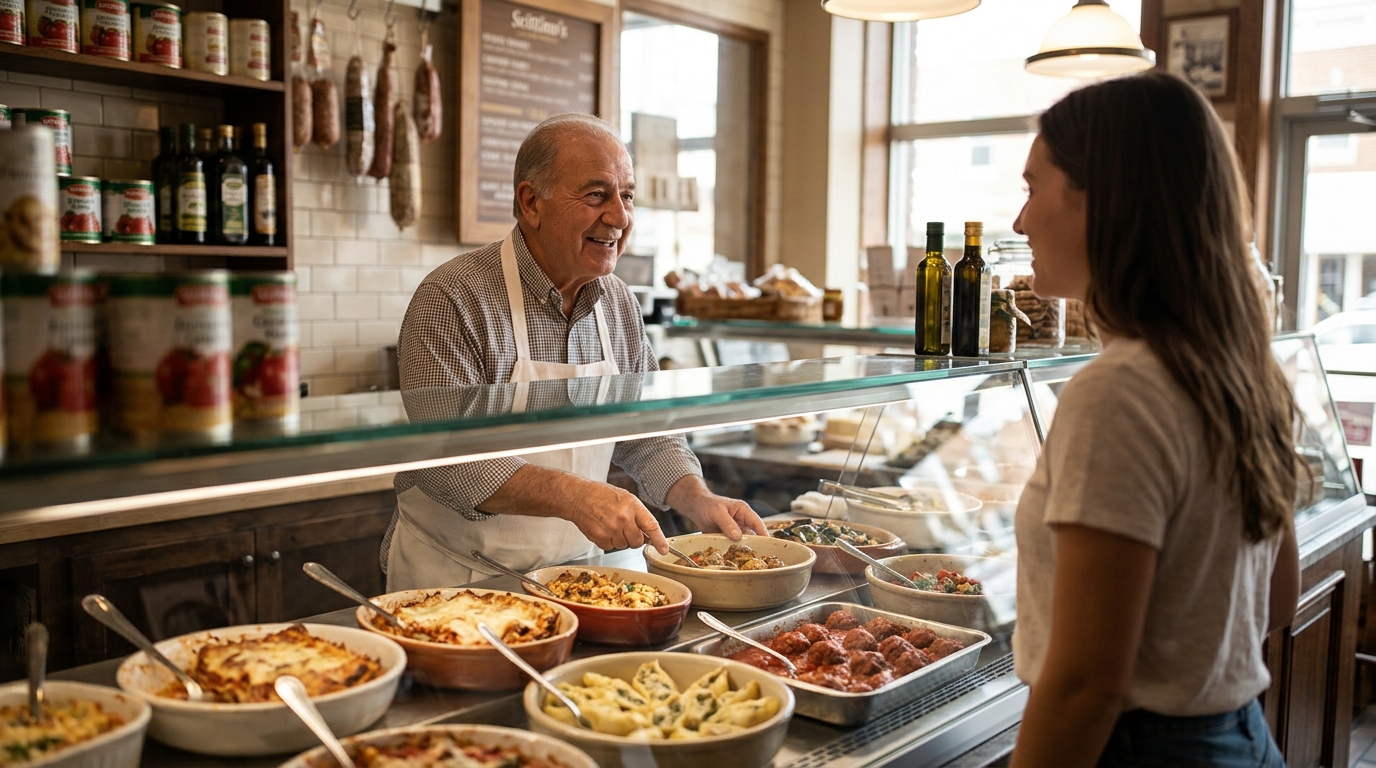
Homemade Italian prepared foods in Baltimore MD are best found at family-owned markets like Scittino's Italian Market, which has operated since 1973. This guide covers how to identify authentic sources, verify quality, understand pricing, and navigate local options in Catonsville and Baltimore. We focus on practical steps to ensure you find genuine, high-quality prepared foods that meet your specific needs. For additional details, review the .
How to Choose Authentic Sources
Choosing the right provider requires looking beyond marketing claims. Authenticity in this context is defined by the use of traditional recipes and family-owned operations. A genuine source often has a long history in the community. For example, Scittino's Italian Market has been family-owned since 1973, a fact that signals stability and dedication to craft. Look for businesses that emphasize their heritage and specific regional origins, such as Sicilian traditions.
Key Indicators of Quality
First, check for in-house production. If the market makes its own pasta, sausages, or pastries, it is a strong indicator of quality. Second, observe the staff. Knowledgeable staff who can explain the ingredients and preparation methods are a hallmark of a serious operation. Third, look for transparency. A good provider will be open about where their ingredients come from and how they are prepared.
What to Ask Before Committing
Before you buy, you should ask specific questions to gauge the provider's commitment to quality. Ask about the origin of key ingredients. For instance, ask if the cheeses are imported from Italy or made locally. Ask about the preparation method. Is the pasta made fresh daily? Is the meat cured in-house? These questions help you distinguish between a true artisan market and a standard grocery store.
Essential Questions
How to Verify Claims and Credentials
Verifying claims is crucial in the food industry. You can verify a business's history by checking local historical records or news archives. You can verify food safety credentials by looking for posted health inspection scores. In Maryland, health inspection scores are public records. A consistently high score indicates a commitment to safety and hygiene. Additionally, you can verify the authenticity of recipes by asking for the story behind them. Many family businesses have recipes passed down through generations, which adds a layer of authenticity that mass-produced items lack.
How the Process Works
Step-by-Step Overview
Step one is to visit the location to assess the environment. Step two is to sample the products if possible. Step three is to place your order. Step four is to pick up or receive the items. This straightforward process ensures you get exactly what you need.
What It Costs and Price Drivers
Costs for homemade Italian prepared foods vary based on several factors. The primary driver is the quality of ingredients. Imported ingredients from Italy are more expensive than local alternatives. Another driver is the labor involved in preparation. Handmade items require more time and skill, which is reflected in the price. You should expect to pay a premium for authentic, homemade foods compared to mass-produced alternatives. This premium is justified by the quality and taste.
Price Comparison
| Item Type | Mass-Produced | Homemade/Artisan | Price Difference |
|---|---|---|---|
| Fresh Pasta | Lower | Higher | 20-50% |
| Cured Meats | Lower | Higher | 30-60% |
| Homemade Sausage | Lower | Higher | 25-45% |
Common Mistakes to Avoid
One common mistake is assuming that all Italian markets are the same. They are not. Some focus on mass-produced goods, while others focus on artisanal, homemade items. Another mistake is not checking the expiration dates. Fresh items have a shorter shelf life, so you need to plan your consumption accordingly. A third mistake is not communicating your specific needs. If you have dietary restrictions, you must inform the provider in advance.
Versus Alternatives
For Specific Situations
Rules and Protections
Food safety is regulated by local and state authorities. In Maryland, the Department of Health oversees food safety inspections. You have the right to know the health inspection score of any food establishment. You also have the right to return spoiled food if it was purchased from the store. Familiarize yourself with these protections to ensure you are buying from a safe and reputable source. These rules exist to protect consumers and maintain high standards in the food industry.
Local Specifics in Baltimore
Baltimore has a rich Italian heritage, particularly in areas like Catonsville and Towson. The local community values traditional foods and family-owned businesses. This cultural context means that there is a strong demand for authentic Italian prepared foods. Local markets often reflect this demand by offering a wide range of traditional items. The proximity of these markets to residential areas makes them convenient for regular shoppers. Understanding this local context helps you appreciate the value of these businesses.
Timing Your Purchase
Timing is important when buying fresh prepared foods. Fresh items are best consumed within a few days of purchase. If you are planning an event, you should place your order well in advance. This allows the provider to prepare the items to your specifications. For regular shopping, visiting the market in the morning may give you access to the freshest items. Planning your visits and orders around your schedule ensures you get the best possible quality.
Results Over Time
Building a relationship with a local provider can yield long-term benefits. Regular customers often receive better service and may have access to special items. Over time, you will develop a sense of which products are best for your needs. You will also become familiar with the provider's quality standards. This ongoing relationship ensures consistency and reliability in your food supply. It is a worthwhile investment for anyone who values authentic Italian cuisine.
Key Takeaways
- Family-owned markets like Scittino's offer authentic, homemade Italian foods.
- Verify the history and health inspection scores of any provider.
- Ask specific questions about ingredients and preparation methods.
- Expect to pay a premium for artisanal, homemade items.
- Plan ahead for large events and custom orders.
- Check expiration dates and storage requirements for fresh items.
- Build a relationship with a local provider for consistent quality.
- Understand local food safety regulations and consumer protections.
Frequently Asked Questions
Where is the best place to find homemade Italian foods in Baltimore?
How do I know if an Italian market is authentic?
Look for family ownership, in-house preparation, and a long history in the community. Ask about the origin of ingredients and the recipes used.
Are homemade Italian foods more expensive than supermarket items?
Yes, they are typically more expensive due to the use of high-quality ingredients and the labor involved in preparation.
Can I order custom items for an event?
How long do fresh Italian prepared foods last?
Fresh items like pasta and meats have a shorter shelf life. Check the expiration dates and store them properly in the refrigerator.
What are the health safety regulations for food markets in Maryland?
Food markets are subject to regular health inspections by the Maryland Department of Health. You can check the inspection scores online.
Conclusion
Finding homemade Italian prepared foods in Baltimore MD is straightforward if you know what to look for. Focus on family-owned markets with a long history and a commitment to quality. Scittino's Italian Market is an excellent example of such a business, offering authentic Sicilian-style foods in both Catonsville and Baltimore. By following the steps outlined in this guide, you can ensure that you are buying from a reputable source that meets your needs. Visit one of our locations to experience the quality for yourself.